
The honest answer: most Australian homes need about 15 to 30 solar panels in 2026. With modern panels around 440 watts each, that is roughly a 6.6 kW system at 15 panels up to a 13 kW system at 30 panels. The exact number comes from how much power you use, not from your roof size or your neighbour’s system.
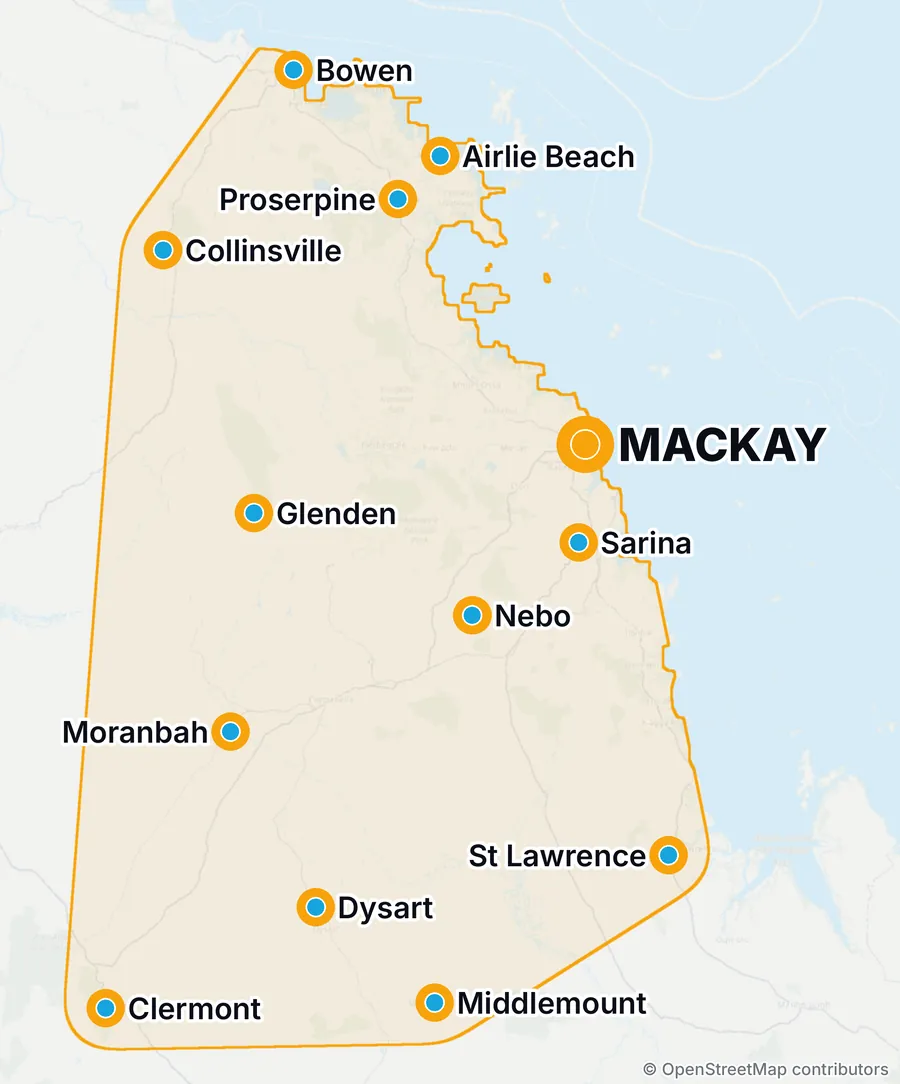
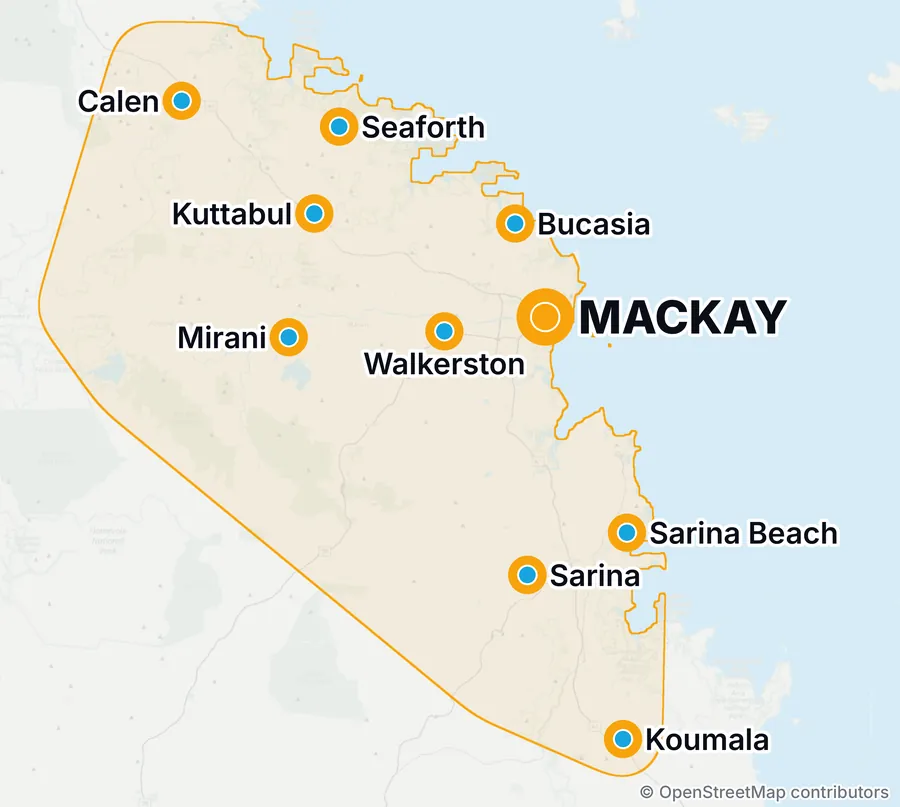
Next Phase Solar sizes and installs these systems out of Mackay, Queensland, so the panel counts below come from real quotes rather than a brochure. Ring (07) 4957 3511 and we will do it on your bill.
The short version
Work out your average daily power use in kilowatt hours, pick a system size that covers it with some headroom, then divide by the panel wattage to get the count. In Mackay, where air-conditioning runs hard, homes tend to sit at the higher end.
The quick maths
Two numbers give you the answer.
- Your daily use. Find the average kWh per day on your Ergon bill. A typical Mackay home uses 18 to 35 kWh a day, more with ducted air-con or a pool.
- Panel wattage. Modern panels are around 440 watts. So a 6.6 kW system is about 15 panels, a 10 kW system about 23 panels, and a 13.2 kW system about 30 panels.
Match a system size to your daily use, then divide the system size by the panel wattage for the panel count.
How many panels by household size
| Daily power use | System size | Panels (about 440 W each) | Typical home |
|---|---|---|---|
| 15 to 20 kWh | 6.6 kW | around 15 panels | Smaller home, some daytime use |
| 25 to 30 kWh | 10 kW | around 23 panels | Family home with air-con |
| 35 kWh or more | 13.2 kW | around 30 panels | Large home, pool, or an EV |
These are starting points. In the tropics we usually lean to the larger end because cooling loads are high and because a slightly bigger system leaves room to add a battery or an EV later without redoing the job.
Why bigger is usually fine, but a limit applies
Adding panels is cheap per watt once the crew is on the roof, so going from 6.6 kW to 10 kW is rarely a big jump in price. The limits are your roof space, your inverter size, and the export cap your network allows on a single-phase connection. We size the system to your use and your connection, not just to fill the roof.
What changes the panel count
- Air-conditioning and a pool push your daily use up, so you need more panels.
- Roof orientation and shade mean some panels produce less, so a shaded roof may need a few more or a different layout.
- A future battery or EV is a reason to install a larger array now rather than add to it later.
- Single vs three phase affects how big a system your connection can take.
Frequently asked questions
How many solar panels does the average home need?
About 15 to 30 panels in 2026. With panels around 440 watts, that is roughly a 6.6 kW system at the low end and a 13 kW system at the high end. Your daily power use sets the number, not your roof size.
How many panels is a 6.6 kW system?
About 15 panels at modern 440 watt panel sizes. A 10 kW system is around 23 panels and a 13.2 kW system around 30.
How many solar panels do I need to run a house with air-conditioning?
In Mackay, homes that run ducted or heavy air-conditioning usually need a 10 kW system or larger, which is around 23 panels or more, so there is enough daytime generation to cover the cooling load.
Should I fit more panels than I need now?
Often yes, because panels are cheap per watt once the crew is on the roof, and a slightly larger array leaves room for a battery or an EV later. The limit is your roof space and your connection’s export cap.
Sources
- System sizing guidance, energy.gov.au
- Panel output and sizing, SolarQuotes
What to do next
This is the panel count. For the full picture including battery sizing, see what size solar system and battery you need, and for budgeting see how much solar panels cost.
Next Phase Solar sizes systems for Mackay homes against twelve months of your real Ergon data, so the panel count matches your actual use.
Get a sized, fixed-price quote
Last reviewed June 2026.