
In most of Queensland, solar panels need a proper clean every 12 to 24 months, and in the coastal and cane-belt tropics closer to every 6 to 12 months. Whether solar panel cleaning is worth paying for comes down to one number: how far your array has already drifted below its clean output. If it is 8 to 15 percent down, a clean usually pays for itself inside one season. If it is only 3 to 5 percent down and rain hits your roof often, you can safely stretch it. Below: the research behind those ranges, the recovery maths, and when to book a professional versus leave the ladder in the shed.
The short version
- Baseline soiling in a mild, regularly rained spot is roughly 1 to 2 percent a year. The Queensland tropics are not mild.
- Studies show dry-period soiling builds at about 0.1 to 0.3 percent of output per day, and in extreme dry, dusty conditions annual losses have hit 39 percent.
- Rain rinses loose dust but leaves the salt film, oil and bird droppings that cost you the most.
- A clean is worth paying for once your array has drifted far enough that recovered generation beats the cost of the visit.
- Doing it yourself is rarely worth the fall risk or warranty exposure, though there are times it is fine to skip.
What the soiling research actually shows
Soiling is the output you lose to anything on the glass: dust, salt, pollen, bird droppings, ash. It is separate from weather. Cloud cuts output for a day and clears; soiling takes a slice of every sunny day until something removes it. Two studies bracket the real world.
Kimber and colleagues measured large grid-connected PV systems across California and the US Southwest in 2006. During dry spells with no rain, output fell steadily at about 0.1 to 0.3 percent per day, averaging near 0.2 percent, and reset only when enough rain fell to rinse the glass. A fortnight of dry weather quietly takes a couple of percent off the top, and it does not come back on its own.
Cordero and colleagues, in Scientific Reports in 2018, ran clean versus naturally soiled panels for a full year across five Atacama Desert cities. Their result sets the upper bound: “annual energy losses that peaked at 39% in the northern coastal part of the desert,” while “annual energy losses of 3% or less were measured at relatively high-altitude sites.” The gap between 3 and 39 percent was almost entirely rainfall and dust load.
| Study and setting | Conditions | Measured soiling loss |
|---|---|---|
| Kimber et al., 2006 | Large PV systems, dry period, no rain | 0.1 to 0.3 percent of output lost per day |
| Cordero et al., 2018 | High-altitude and southern desert sites, some rain | 3 percent a year or less |
| Cordero et al., 2018 | Northern coastal Atacama, almost no rain | Up to 39 percent a year (extreme case) |
| General benchmark | Mild climate, roof rained on regularly | Roughly 1 to 2 percent a year |
Coastal and rural Queensland sits well above that 1 to 2 percent benchmark, for reasons the tropics hand out for free.
Why the Queensland tropics dirty panels faster
Four things stack up in North and Central Queensland that most southern capitals do not deal with at the same intensity.
Coastal salt. Onshore winds carry salt aerosols inland as an invisible film that builds over weeks, blocks light and, left long enough, attacks aluminium frames and junction-box seals. Any home within a few kilometres of the water carries this year round.
The wet season cycle. Tropical downpours do not keep panels spotless. Rain rinses loose dust, but the humid months beforehand cake grime on, and storms leave mineral spotting and washed-down debris behind. A dirty run-up, then a partial rinse, not a clean.
Bird traffic. Cockatoos, lorikeets and ibis are everywhere up here. Droppings are worse than dust per square centimetre: they dry into hard, opaque spots that shade cells, trip the panel’s bypass diodes and drag down a whole string, not just one panel.
Cane dust and ash. The sugar region throws field dust and harvest residue into the air from roughly June to November, and homes near cane country pick up a heavier coating then. The same leaves and ash end up in the gutters, so a gutter clean can go on the same visit as the panels.
We go suburb by suburb on the local drivers, and what skipping a clean costs a Mackay system in dollars, in why panels in Mackay need cleaning more often than Brisbane. If your worry is grey skies rather than dirty glass, see do solar panels work on cloudy days.
When a clean is worth paying for
Here is the honest part. A clean only makes sense if the generation it brings back is worth more than the visit. Our own solar panel cleaning service recovers 5 to 15 percent of the output lost to dust, droppings and coastal salt, and we send a 30-day generation comparison after each clean so you see the actual recovery rather than a marketing line.
The maths for a typical Mackay 6.6 kW system generating around 9,600 kWh a year, valued at an assumed 30 cents per kWh of self-consumption (use the usage rate on your own Ergon bill instead):
| Your array is drifting | Lost generation | Value recovered by a clean, per year | Worth paying for a clean? |
|---|---|---|---|
| 3 to 5 percent (inland, steep roof, well rained) | 290 to 480 kWh | roughly $85 to $145 | Marginal. Stretch to 18 to 24 months. |
| 8 to 12 percent (coastal or near cane) | 770 to 1,150 kWh | roughly $230 to $345 | Yes. A yearly clean pays for itself. |
| 15 percent or more (birds, years since a clean) | 1,440 kWh or more | roughly $430 or more | Clearly yes, and overdue. |
The pattern is simple. If your suburb and roof put you in the middle or bottom rows, an annual clean returns more than it costs and doubles as an inspection that catches cracked glass or frame corrosion early. If you are in the top row and your monitoring shows output holding steady year on year, paying every 12 months is money you do not need to spend yet.
DIY versus a professional clean, honestly
Cleaning your own panels looks like the cheap option. Usually it is not, for three reasons.
The roof is the real risk. You are working at height, often on a warm and slick surface, next to live DC wiring that can sit at several hundred volts on a string. Falls from roofs are among the most common serious injuries in Australian home maintenance. That is why our crew cleans from the ground with a water-fed pole and never walks the array.
Tap water and pressure washers do damage. Mineral-rich tap water dries into a spotted film that blocks light, which is why professionals use deionised, or demineralised, water that dries clean. A pressure washer or the wrong brush cracks the glass or scratches the anti-reflective coating, exactly the damage that voids a panel warranty.
Warranty clauses are strict. Manufacturers such as Jinko, Trina, LONGi and REC prohibit harsh chemicals, abrasive brushes and roof-walking that scratches the glass. A soft-bristle pole-fed clean with deionised water complies; a hose, a broom and a bottle of detergent does not, and leaves you no record it was cleaned to the maker’s guidelines.
If you are set on doing it anyway: only from the ground or a stable ladder, never on the panels, deionised water and a soft brush only, on a single-storey home with an easy pitch. Anything steep, two-storey or near live cabling is a job to hand over.
When it is genuinely fine to skip
Not every home needs a yearly booking. You can safely stretch cleaning when all of these are true: a decent roof pitch so rain sheets off, inland with low bird traffic, regular rain through the year, and monitoring that shows generation on target season to season. That home can push to 18 to 24 months.
Coastal homes, anywhere near cane country, homes under gum trees with heavy bird traffic, and every commercial roof are the opposite case. For those, cleaning is scheduled maintenance, not optional.
Frequently asked questions
How often should I clean solar panels in Queensland?
For most inland Queensland homes with a decent roof pitch and regular rain, every 12 to 24 months is enough. Coastal homes within about 5 km of the beach should clean every 6 to 12 months because of salt build-up, and homes near cane country or under heavy bird traffic sit at the shorter end of that. Commercial roofs with high dust loads often need it every 6 months.
Does rain clean solar panels?
Not properly. Research on soiling shows output falls steadily during dry spells and only resets when enough rain falls to rinse the glass, and even then rain removes loose dust while leaving salt film, oil and bird droppings behind. In the Queensland tropics those stuck-on deposits are exactly what costs you the most output, so relying on wet-season storms alone leaves generation on the table.
Is solar panel cleaning worth the money?
It depends on how far your array has drifted. A clean recovers roughly 5 to 15 percent of lost output. On a 6.6 kW system that is worth a couple of hundred dollars a year once you are 8 percent or more down, which beats the cost of a visit, so an annual clean pays for itself for most coastal and cane-belt homes. For a well-rained inland home only 3 to 5 percent down, the recovered value barely covers the clean, so stretching to every 18 to 24 months is smarter.
Can I clean my solar panels myself safely?
Rarely worth it. The main hazard is the fall risk of working at height near live DC wiring. On top of that, tap water spots the glass, pressure washers and stiff brushes crack panels or strip the coating, and DIY without records can void the manufacturer warranty. If you do try, work only from the ground or a stable ladder with deionised water and a soft brush, and hand over anything steep, two-storey or near cabling.
Sources
- Cordero et al., “Effects of soiling on photovoltaic (PV) modules in the Atacama Desert,” Scientific Reports, 2018 (peak annual soiling loss of 39 percent, and 3 percent or less at high-rainfall sites): the paper in Scientific Reports
- Kimber et al., 2006 study of large grid-connected PV systems in California and the US Southwest, as documented in the Sandia PV Performance Modeling Collaborative Kimber soiling model (dry-period soiling of about 0.1 to 0.3 percent per day, reset by rainfall): the Sandia Kimber soiling model/
- Recovery figure of 5 to 15 percent of lost generation: Next Phase Solar solar panel cleaning service, npsolar.com.au
- Electricity value in the recovery table is an assumed 30 cents per kWh of self-consumption. Check the usage rate on your own Ergon Energy bill for your figure.
What to do next
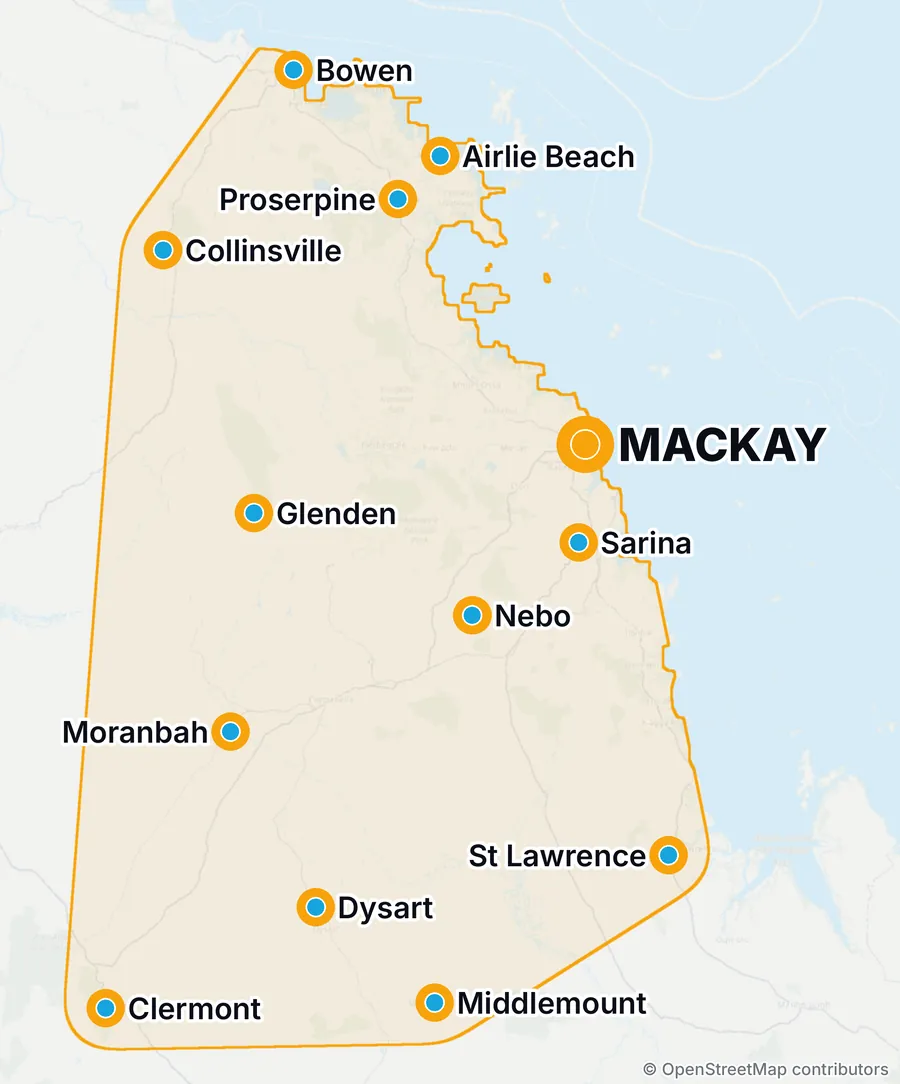
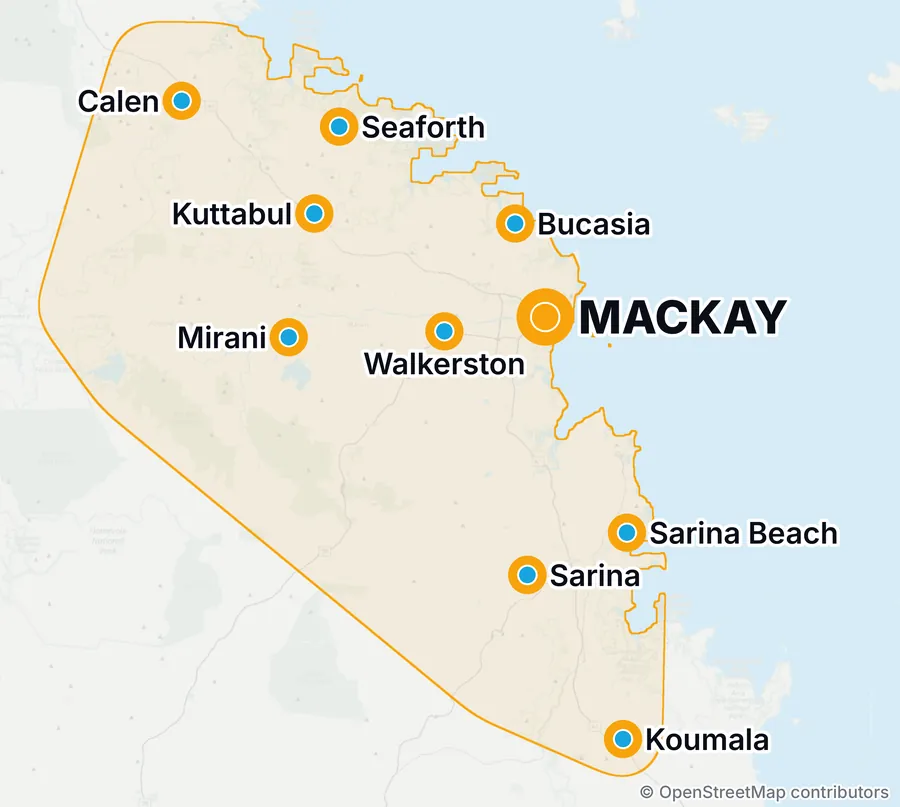
Next Phase Solar cleans residential and commercial arrays across Mackay, Sarina, Airlie Beach and the wider region using a soft-bristle water-fed pole and deionised water (the specialist solar soap only if you add it), with no roof-walking and a pre and post-clean generation snapshot so you can see whether it was worth it. If your panels have not been touched in a year or more, book a solar panel clean and we will tell you honestly what we find.
Last reviewed July 2026.