
The short answer: all three are quality lithium iron phosphate batteries with 10-year warranties. The Tesla Powerwall 3 is the only one with a solar inverter built in, which makes it the simplest all-in-one. Sungrow and BYD are storage only and pair with a separate hybrid inverter, which makes them flexible and often a little cheaper on the battery itself. Here is how they actually compare.
At a glance
| Tesla Powerwall 3 | Sungrow SBR | BYD Battery-Box HVM | |
|---|---|---|---|
| Usable capacity | 13.5 kWh | 6.4 to 25.6 kWh (modular) | 8.3 to 22.1 kWh (modular) |
| Continuous power | 11.5 kW | around 5 kW | 8 kW (12 kW peak) |
| Chemistry | Lithium iron phosphate | Lithium iron phosphate | Lithium iron phosphate |
| Inverter | Built in | Needs Sungrow hybrid inverter | Needs external hybrid inverter |
| Warranty | 10 years, unlimited cycles, 70 percent retention | 10 years, 60 percent retention | 10 years, 80 percent retention |
Tesla Powerwall 3
The Powerwall 3 is the simplest option because the solar inverter is built into the battery. One unit handles solar conversion and storage, which cuts hardware and install complexity on a new system. It also has the highest continuous power output of the three at 11.5 kW, so it can run more of the house at once, including during a blackout when the backup gateway is added.
Strengths: highest power output, true all-in-one, strong app and brand support, whole-home backup option.
Trade-offs: it comes in one fixed 13.5 kWh size, so you scale by adding whole units rather than small modules. The backup gateway is an extra cost.
Sungrow SBR
Sungrow is modular. The SBR range stacks from 6.4 kWh up to 25.6 kWh, so you size it closely to your needs and add modules later. It is storage only and pairs with a Sungrow hybrid inverter, which is a well-regarded, good-value combination. Continuous power is lower at around 5 kW, which is fine for most homes but worth checking if you want to run several heavy loads at once.
Strengths: flexible sizing, strong value, reliable inverter pairing.
Trade-offs: lower continuous power than the Powerwall, and you are committing to the Sungrow inverter ecosystem.
BYD Battery-Box
BYD is also modular and works with a range of third-party hybrid inverters such as Fronius, SMA, Sungrow and GoodWe, which gives you the most freedom to mix and match. The HVM range covers 8.3 to 22.1 kWh with solid 8 kW continuous power. BYD also offers the strongest capacity-retention warranty of the three, guaranteeing 80 percent after 10 years versus 70 percent for the Powerwall 3 and 60 percent for Sungrow.
Strengths: inverter flexibility, modular sizing, best retention warranty.
Trade-offs: you must choose a compatible inverter, and the right pairing matters for performance and support.
How to actually choose
- Want the simplest all-in-one for a new install with high power needs: Powerwall 3.
- Want flexible sizing and strong value, happy with the Sungrow ecosystem: Sungrow SBR.
- Want inverter freedom and the strongest long-term warranty: BYD.
One important fairness point on price. The Powerwall includes its inverter, while Sungrow and BYD prices are for the battery alone and need an inverter added. Compare full system prices, not a battery-only number against an all-in-one.
Backup also varies. None of these back up your home during a blackout by default. Backup needs the right configuration and sometimes extra hardware. In North Queensland, where outages happen, say so at quote stage so the system is built for it.
Frequently asked questions
Which home battery is best in Australia in 2026?
There is no single best. The Tesla Powerwall 3 is the simplest all-in-one with the highest power, Sungrow offers flexible sizing and value, and BYD gives inverter freedom and the strongest retention warranty. The right one depends on your inverter, your power needs and your budget.
Is the Tesla Powerwall 3 better than Sungrow or BYD?
It has the highest continuous power and a built-in inverter, which makes it the easiest single-box solution. Sungrow and BYD can be better value or more flexible because they are modular and storage only, but they need a separate inverter.
Do these batteries keep the power on during a blackout?
Only if configured for backup. None back up the home by default. Some need a separate gateway or a backup-capable inverter, and some back up only selected circuits. Specify backup at quote stage.
Which battery has the best warranty?
All three offer 10 years. BYD guarantees the highest end-of-warranty capacity at 80 percent, versus 70 percent for the Powerwall 3 and 60 percent for Sungrow. Compare both the year term and the retention percentage.
Sources
- Tesla Powerwall 3 specifications, Solar Calculator
- Sungrow battery range, Solar Scorecard
- BYD Battery-Box specifications, Solar Calculator
- Sungrow Australia, official manufacturer site: sungrowpower.com
- BYD Battery-Box, official manufacturer site: bydbatterybox.com
What to do next
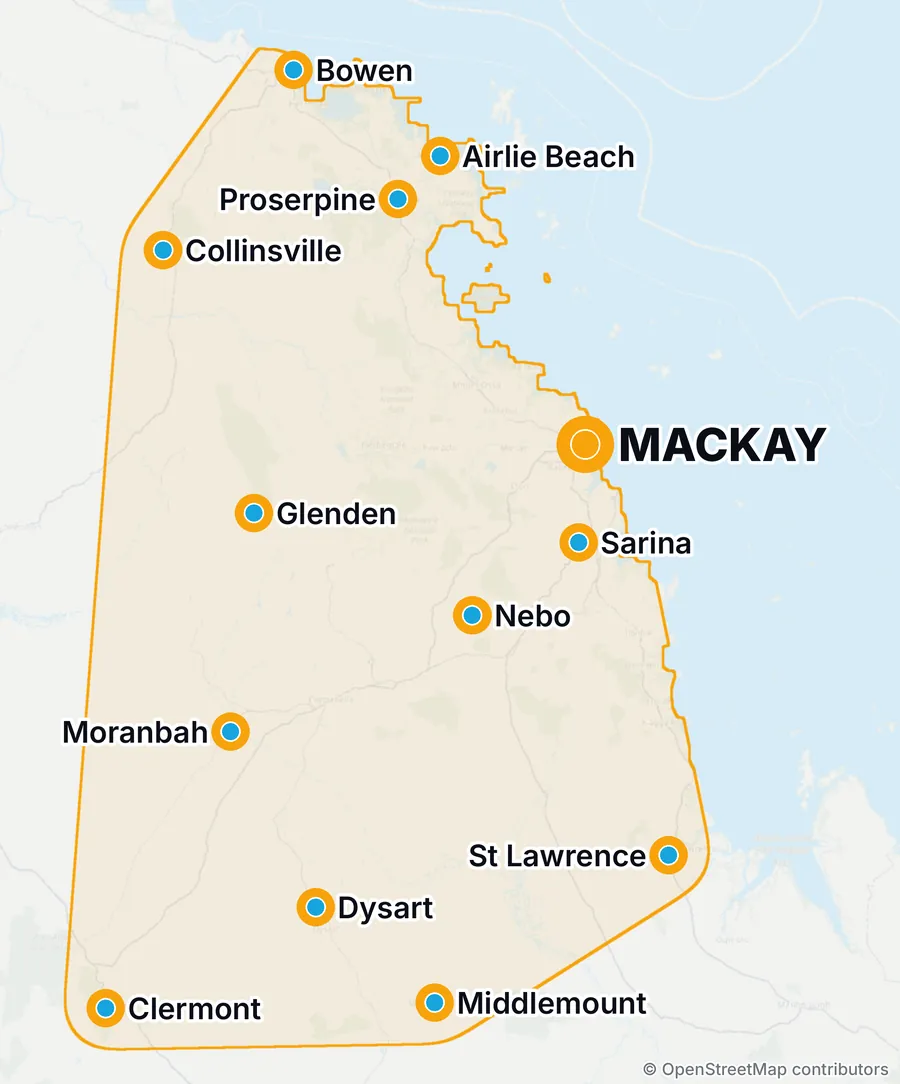
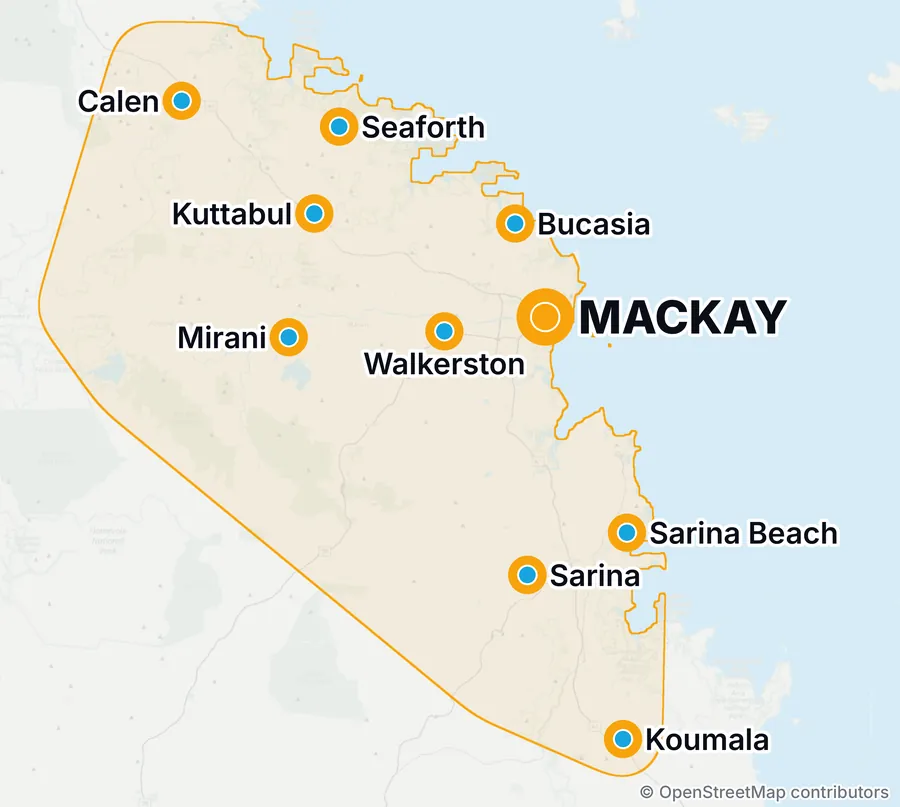
We install all three across Mackay and the region, so the recommendation you get is based on your home and your inverter, not on what we have in the shed. Start with our home batteries page, and for the cost side see our solar battery price guide for 2026.
Get an honest battery recommendation
Last reviewed June 2026.